Poople Guide: Word Ladder Rules and Routes
Every path ends at POOP.
The fixed finish turns a word ladder into a little route-planning problem. Every move feels useful when the path starts to open.
CURATED CATEGORY
Discover daily word games built around vocabulary, alphabetical order, meaning, and deduction.
Daily word games turn language into a small repeatable puzzle. Some ask you to discover a hidden word from semantic distance, while others narrow the answer through alphabetical position or letter patterns. The useful distinction is not difficulty but the kind of clue each game provides.
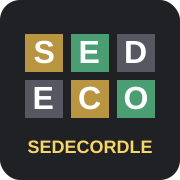
CasualAtlas collects word games with clearly different mechanics, then links to the original publisher. Start with Wordle for colored-tile letter feedback, Contexto for meaning-based exploration, Betweenle for alphabetical boundaries, Blossom for selective word building, or Sedecordle when you want sixteen letter grids at once.
Every path ends at POOP.
The fixed finish turns a word ladder into a little route-planning problem. Every move feels useful when the path starts to open.
Find a word between your best guesses.
A smart change of pace from Wordle: you are narrowing a space, not chasing letter colors. The best guesses feel wonderfully surgical.
Follow meaning until the word clicks.
The joy is in following a strange thought trail until one word suddenly makes the whole map make sense.
Guess the diagnosis, one clue at a time.
The case format makes every extra clue feel earned. It is more about weighing evidence than pretending to be a doctor.
Seven letters. Just twelve words to make them count.
Twelve slots make every little word feel like a decision. Holding back for a longer find is the satisfying part of this flower.
Solve sixteen Wordle-style boards in twenty-one guesses.
Sixteen boards sound absurd until the same good opener lights them all up. The satisfying part is deciding which half-solved word deserves your next guess.
Six tries to find the daily five-letter word.
The whole pleasure is one more informed guess. Six rows is enough for a small ritual, and the colored grid is easy to share without explaining the rules again.

RECENT INDIE ADDITIONS
Fresh game releases selected for this category.
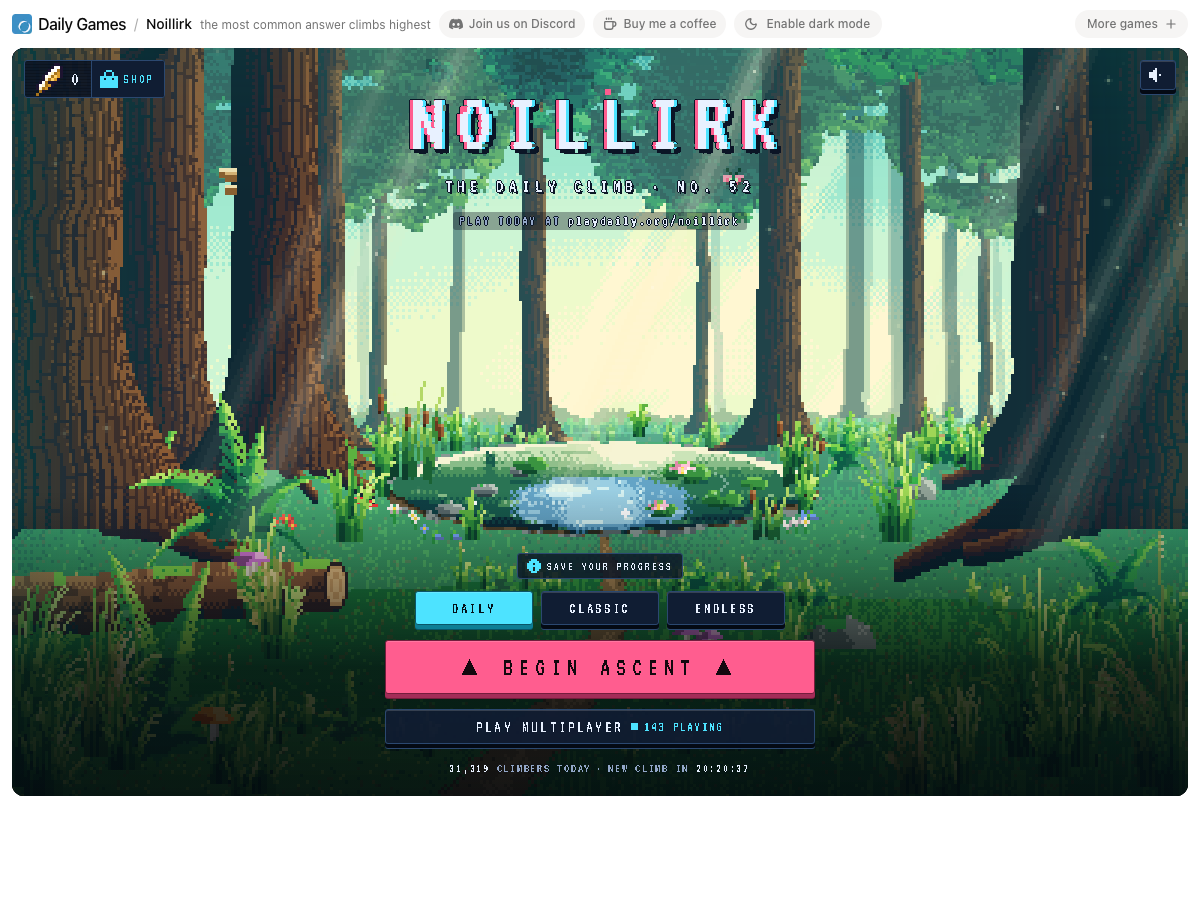
WordNoillirk turns the rare-answer game upside down: give the answer most people would say and send your balloon-borne krill higher. The original game at playdaily.org has seven prompts in its Daily climb, with 25 seconds for each; Classic and Endless offer more ways to play.
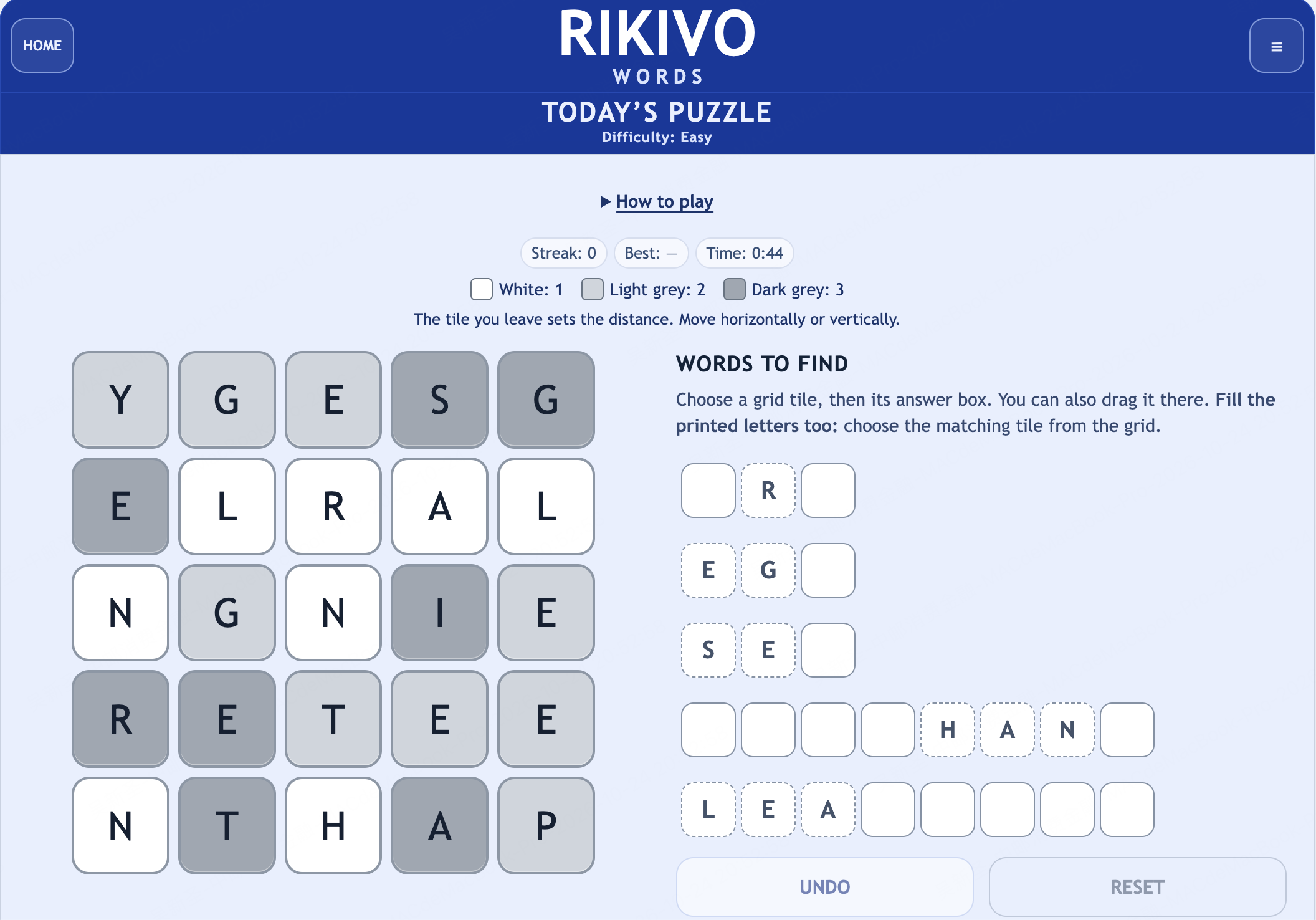
WordSolve the missing words by placing letters from the grid. The words connect into one route that uses every tile once, and each tile shade determines whether the next letter is one, two, or three squares away. A fresh free browser puzzle arrives each day.
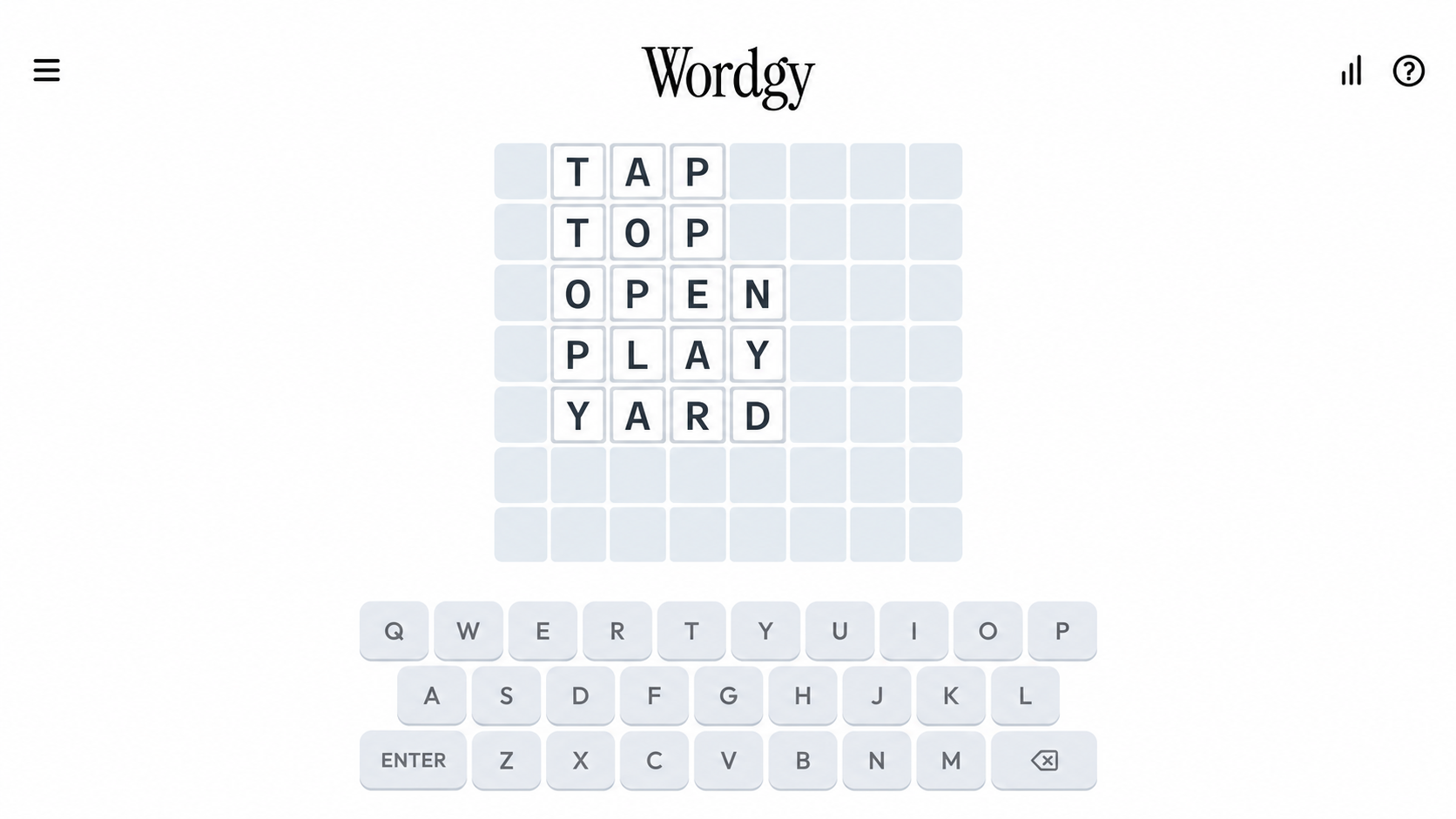
WordWordgy gives you one word chain a day. The target is a chain of five linked words, solved with as few mistakes as possible — a format its creator describes as inspired by an old television game show. A wrong guess is not a dead end: the creator has said that guessing anything reveals the next letter, so the game measures how few mistakes you needed rather than whether you finished at all. The site keeps a daily streak and a score you compare against your own past runs. You can also build your own word chains to send to other people, and the official unlimited mode replays every past puzzle one after another — free, with no sign-up, and without touching your daily streak.
QUESTIONS, ANSWERED
Wordle asks you to find one five-letter word in six guesses. The tile colors show whether each letter is placed, present, or absent.
Contexto ranks guesses by meaning rather than spelling.
Betweenle asks you to locate a hidden word between earlier guesses.
Sedecordle gives you twenty-one shared guesses to solve sixteen words.
No. Each listing links to the original publisher.