
Food showdown · Logic game

Scrandle
 Scrandle
THE ORIGINAL DAILY GAME
Ready for today’s Scrandle?
Two plates. Which one gets your vote? The original game opens on its publisher’s website in a new tab.
THE SHORT VERSION
Scrandle at a glance
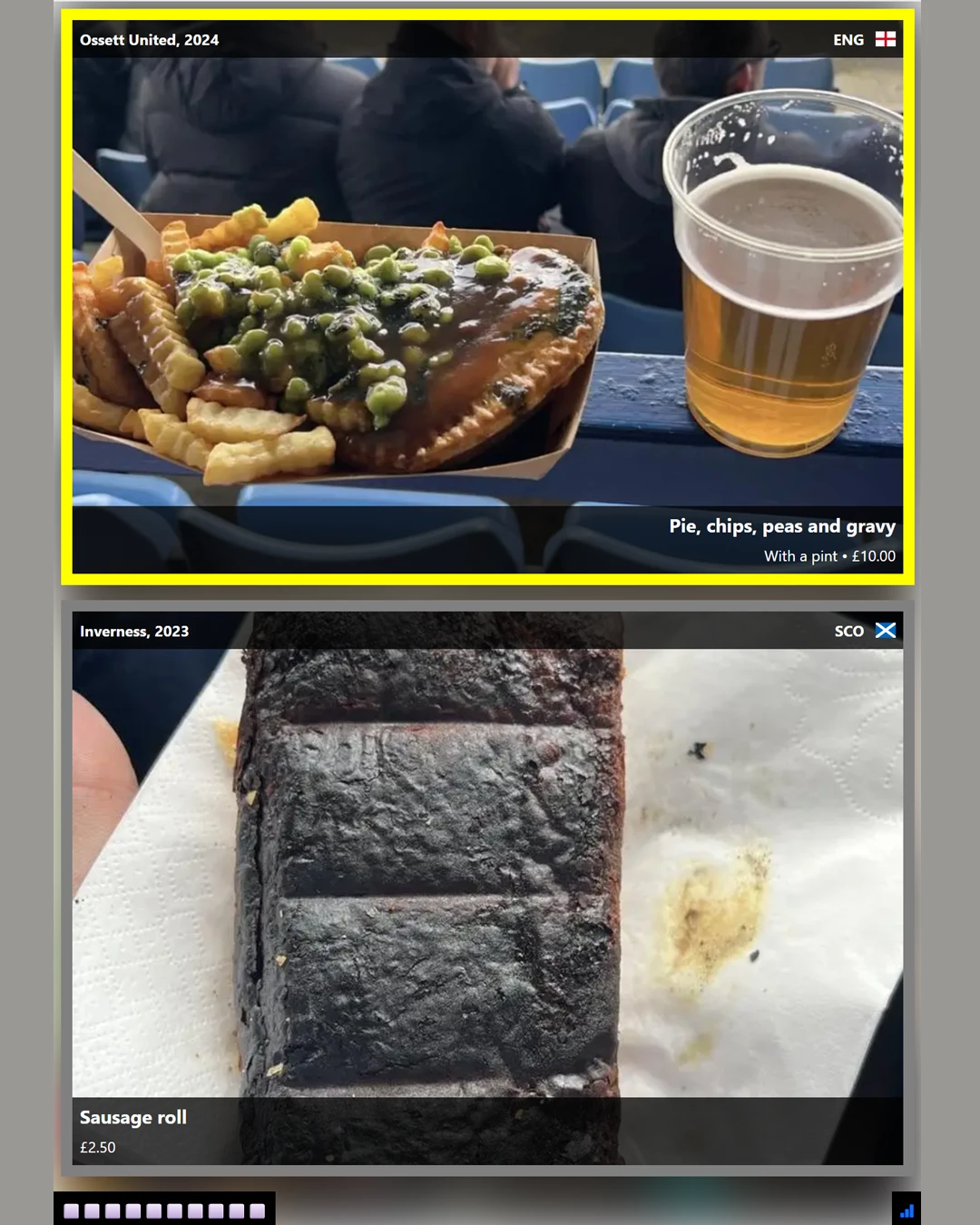
Scrandle is a daily stadium-food comparison game. Each matchup asks you to predict which real matchday meal received the higher community rating, so success depends on reading the crowd rather than simply choosing what you would eat.
Related games
Explore Logic




Scrandle turns a simple food comparison into a quick prediction game. This independent guide explains the basic idea, the difference between personal taste and crowd preference, and the visual clues worth checking before you make a pick.
What is Scrandle?
Scrandle is built around a direct choice between two food photographs. The prompt is easy to understand, but the decision can involve more than choosing the meal you personally want. Depending on the round, the challenge may ask you to anticipate which option other players rated more highly. That makes the game part taste test and part social prediction.
The format works because every clue is visible at once. Portion size, color, texture, presentation, familiarity, and even the camera angle can influence an immediate reaction. A round is short enough to play during a break, while a streak of surprising results encourages another visit the next day.
How to play Scrandle
Open the official game and read the prompt before studying the pictures. Decide whether the round wants your preference or a prediction about the wider audience. Inspect both photographs, choose the option that best fits that criterion, and submit the answer. The result then shows how your choice compares with the game’s expected outcome.
Do not rush simply because the interaction looks binary. Give each image the same amount of attention and check what is actually being compared. A highly polished photograph can create a stronger first impression even when the underlying meal is less appealing to the likely audience.
Strategy: predict the audience, not yourself
The most useful Scrandle habit is separating “I would eat this” from “most players will choose this.” Familiar foods often have broad appeal, while unusual ingredients can divide opinion. Clear textures, generous portions, and recognizable combinations may be safer crowd predictions than a dish that needs explanation.
Treat visual quality carefully. Lighting and composition can make food look more attractive, but those production choices are not the same as flavor. Look for structural clues such as crispness, balance, freshness, and whether the dish seems easy to eat. When two choices are close, ask which one requires fewer assumptions from a casual viewer.
Why a result can still surprise you
Food preference changes by culture, age, location, familiarity, and context. A breakfast dish can lose to a dinner option simply because more players see the game at a particular time. A regional specialty may be loved by people who know it and ignored by those who do not. One result should not be treated as a universal judgment of quality.
Use surprising outcomes as feedback about the sampled audience rather than proof that your taste is wrong. The interesting part is noticing where your instincts align with the group and where they do not. That is what gives a two-picture game more replay value than the interface initially suggests.
Where to play and what to try next
CasualAtlas does not reproduce the Scrandle game. Use the official publisher link on the Scrandle listing to play the live round. The listing keeps the game’s logo, screenshot, publisher destination, and this independent strategy guide together without presenting CasualAtlas as the owner.
If you enjoy quick visual decisions, try Colorfle for color mixing or Framed for image recognition. If the prediction element is the interesting part, Krillion offers a different kind of challenge built around judging which answers are uncommon.
How to improve your Scrandle consistency
A consistent approach is more useful than trying to memorize isolated results. Begin by naming the strongest feature of each meal: familiarity, portion, texture, value, novelty, or presentation. Then decide which feature is most likely to matter to a broad stadium-food audience. This short comparison prevents one dramatic ingredient or an unusually polished photograph from controlling the entire choice.
After the result, record why your prediction worked or failed in a few words. Over several rounds you may notice that you overvalue novelty, underestimate simple comfort food, or react strongly to photography. Scrandle does not provide a universal measure of food quality, but repeated play can reveal how your assumptions differ from the voting group. That feedback loop is the real strategy layer behind the two-button interface.
Scrandle questions, answered
01Is this the official Scrandle game?
No. This is an independent guide. The Scrandle listing links to the official publisher.
02What is the main goal?
Choose between two food images according to the prompt and compare your judgment with the expected result.
03Should I choose my personal favorite?
Read the prompt first. A prediction about the audience is different from a personal preference.
04Do better photographs always win?
No. Presentation affects first impressions, but familiarity, ingredients, and audience taste also matter.
05Can I play Scrandle on mobile?
Use the official game link and check the publisher’s current device support.
06Does CasualAtlas publish today’s answer?
No. This guide does not copy or claim official daily answers.
07What does “scran” mean?
Scran is informal British usage for food, which fits the game’s focus on matchday meals.
08Is Scrandle about the most expensive food?
No. Price can affect expectations, but the decision is based on the rating or criterion shown by the game.
09Why do unfamiliar foods sometimes win?
The voting audience may value novelty, local identity, portion, or presentation differently from you.
10What is the best beginner strategy?
Read the prompt, compare both meals on the same criteria, and predict broad audience appeal instead of reacting only to your appetite.
Rules and live game: official Scrandle website . CasualAtlas is an independent guide and is not affiliated with the publisher.