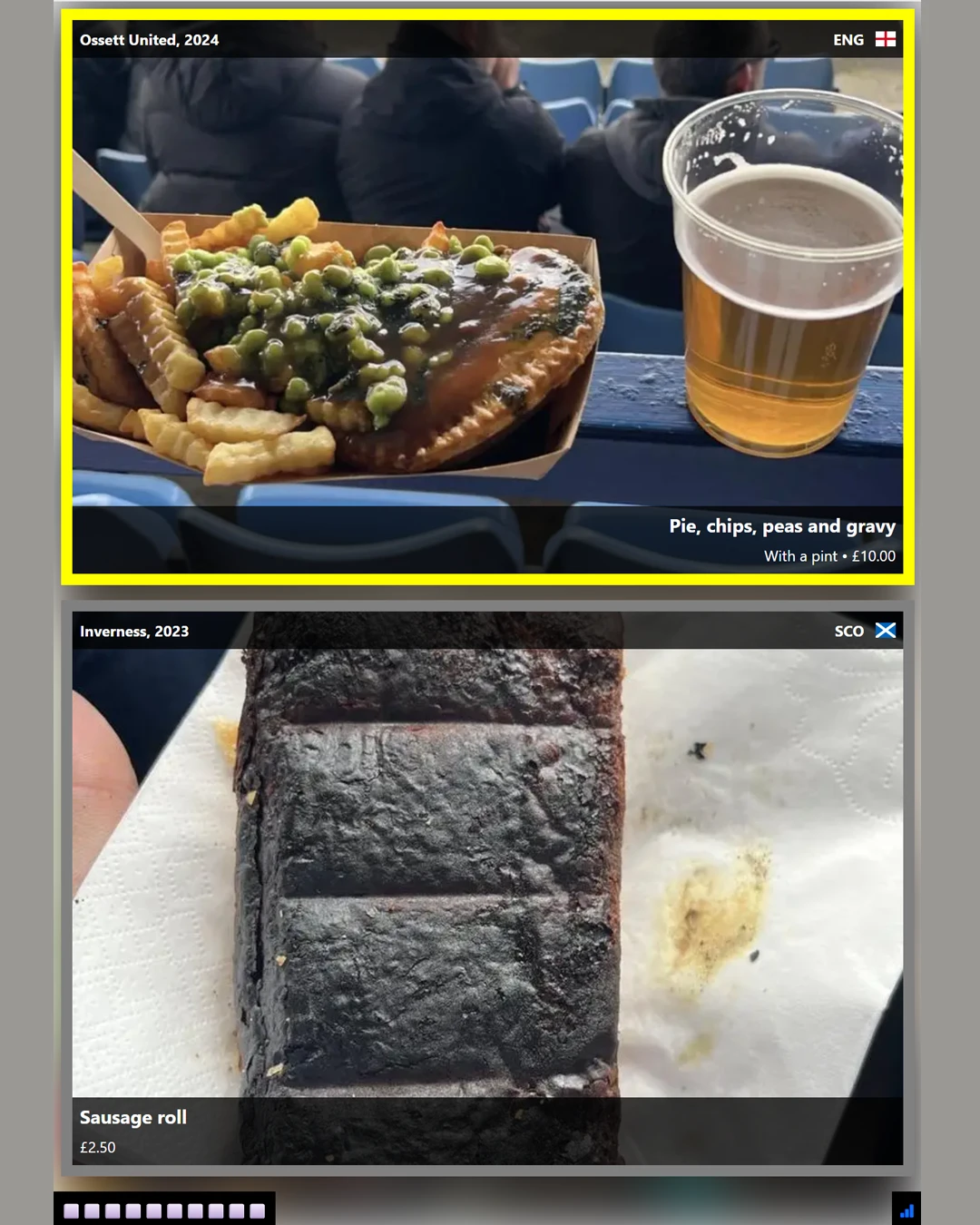
The better-looking plate is not always the higher-rated one. Give both choices the same quick inspection, make a crowd prediction, then use the revealed percentages to see which assumption held up.
These are independent prediction tips, not a formula for the publisher’s ratings. The current daily round and results live at scrandle.com.
Your taskPredict the higher community rating
What you seeTwo meal photos with venue and price details
FeedbackBoth percentage ratings after a pick
Best habitCompare the same clues on both cards
PICK THE RIGHT ROUTE
A repeatable way to compare two Scrandle cards
A repeatable way to compare two Scrandle cards
Clue
Useful question
Limit
Photo
How appetizing does each meal appear?
Lighting and angle can mislead
Venue and country
What context might shape expectations?
Do not stereotype the voters
Price
Does it look like good value for that setting?
Price alone does not decide the rating
Description
Is the food familiar or unusually divisive?
Your personal taste may differ from the crowd
BEFORE THE PICK
What should you inspect first?
Start with the dish rather than the prettiest photograph. Read the name and any extras, then look at the portion and visible texture. Check the venue and price displayed on both cards. In the official Daily game we inspected, each card also identified its location and year. These details give context, but none guarantees a high rating.
Give both candidates the same ten-second check. If you notice only the flaws of one plate and only the strengths of the other, you are probably defending your first instinct rather than comparing them. Pick a single reason you expect voters to favor one meal, then commit.
AFTER THE PICK
How do the percentages help?
A submitted pick reveals a percentage for each item. Read the result as evidence about the game’s voters, not a universal verdict on the food. A narrow difference says the matchup was close; a wide difference shows that your expectation and the recorded ratings were far apart. The progress markers also show how your daily sequence is going.
Keep a short mental note of the reason behind a surprise. Maybe a plain-looking meal offered better value, or a striking dish was less appealing to this audience. Do not turn one result into a permanent rule: the next pair can have different voters, prices and presentation.
WHEN IT IS CLOSE
A useful tie-breaker for similar meals
When both photos look good, compare value and practicality before novelty. Imagine buying the meal in the venue shown, not viewing it in a restaurant advertisement. If one choice relies on an unfamiliar ingredient, ask whether that would broaden or narrow its appeal among people who rated it.
There is no verified shortcut that predicts Scrandle’s percentage. The point is to make a testable crowd prediction. When you finish, return to the main Scrandle guide for the Daily, Random and History routes, or compare FoodGuessr if you want a different food-guessing task.